
Logistics
We provide comprehensive solutions and support to help you reach new heights.
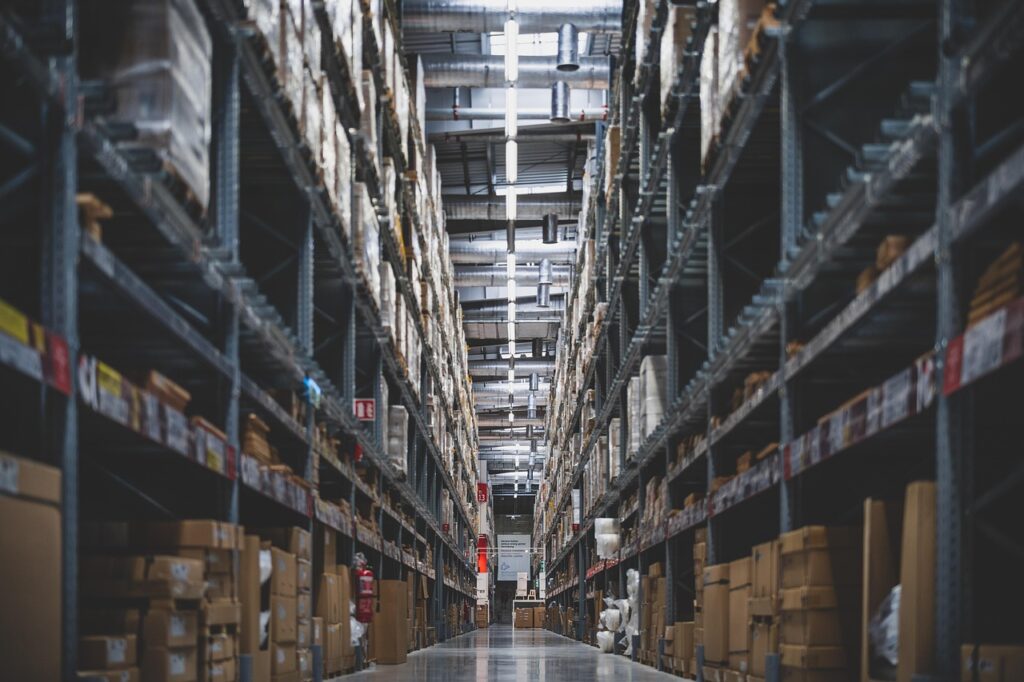
Multi-purpose warehouse construction & management
Developing and managing modern warehouse facilities designed for efficient storage, logistics operations, and scalable supply chain solutions

Cross-country & continental distribution
Delivering reliable large-scale distribution solutions across regional and international markets with optimized logistics networks

Distribution channels
Building strategic distribution channels that connect products, markets, and consumers through efficient and scalable supply chain systems
Multi-purpose warehouse construction & management
Multi-purpose warehouse construction and management in Spain focus on sustainable, high-tech logistics hubs, particularly around Madrid, Catalonia, and Valencia. Key trends include LEED/BREEAM certifications, automated pallet racking.
Construction & Development Trends in Spain
Key Developers: Firms such as GSE Iberia and ITERCON specialize in turn-key, customized logistics warehouses, ensuring fast and efficient delivery.
Sustainability & Certifications: New builds prioritize environmental standards, including LEED Gold and BREEAM certifications (e.g., Cabanillas Park, Illescas).
Design Specifications: Modern warehouses feature high clearance (e.g., 9-meter+), large open-plan spaces, and integrated office areas for multi-functional use.
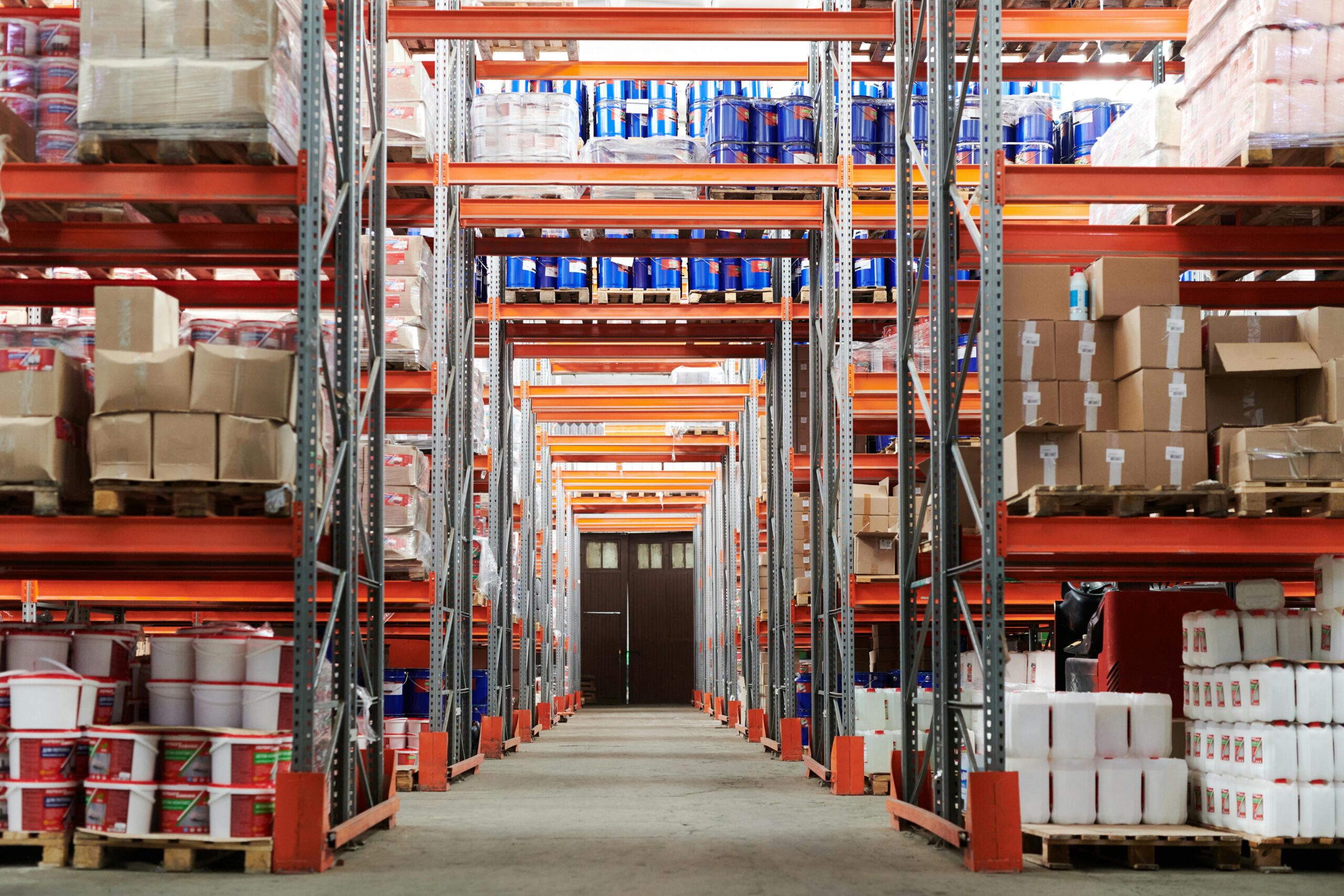
Key Regional Logistics Hubs
Valencia/Alicante: Offers warehouse rentals featuring 700–1200+ m² spaces with high ceilings and integrated offices, often with parking, suitable for flexible, multi-purpose use.
Barcelona (Castellar del Vallès): Focuses on large-scale (e.g., 25,000+ m²) projects designed for automation and distribution.
Madrid/Illescas: Key for large-scale, sustainable logistics platforms
Cross-country & continental distribution
Spain serves as a major logistical hub connecting Europe with Africa and the Americas.
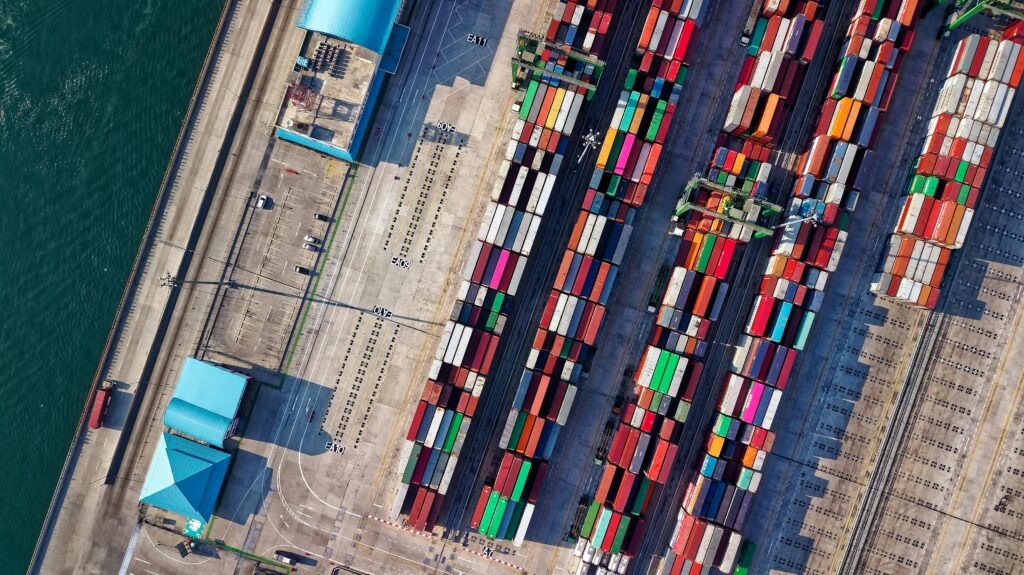
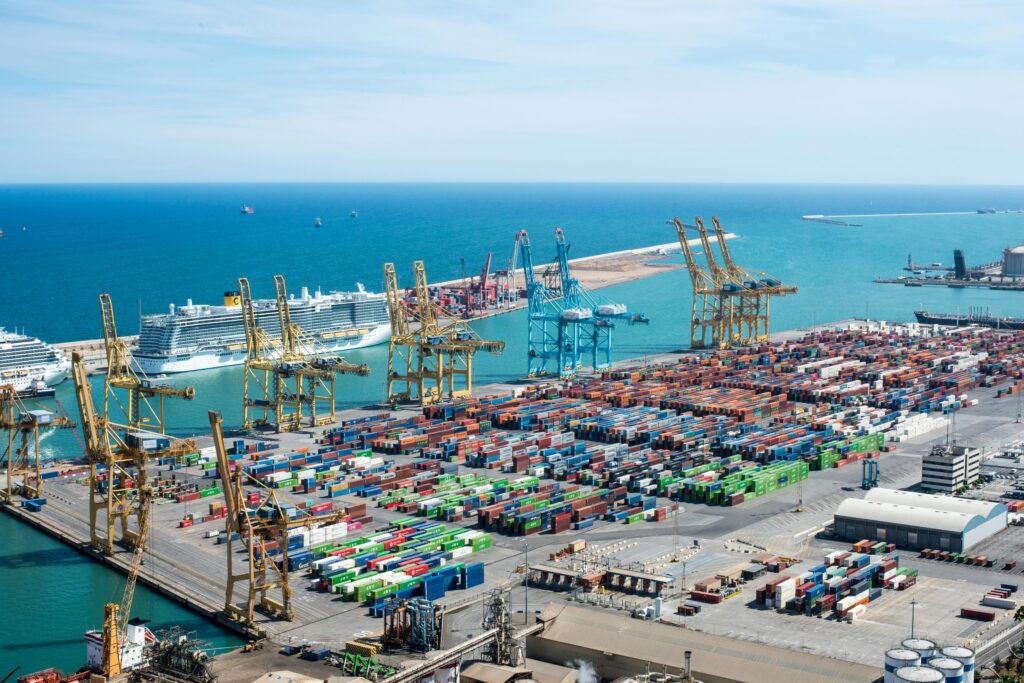
Maritime Connectivity: Spain operates 46 ports, moving over 560 million tons of goods annually. Major ports in Valencia, Barcelona, and Algeciras are key for cross-continental trade.
Rail Network: Spain has the most extensive high-speed rail network in Europe, extending over 15,600 km.
Trans-European Corridors
Atlantic Corridor
Connects the French border at Irun/Hendaye, through Valladolid and Burgos, down to Portugal and the southern port of Algeciras.
Mediterranean Corridor
Connects the French border at Portbou/Cerbère to the port of Algeciras and Seville, via Barcelona and Valencia.
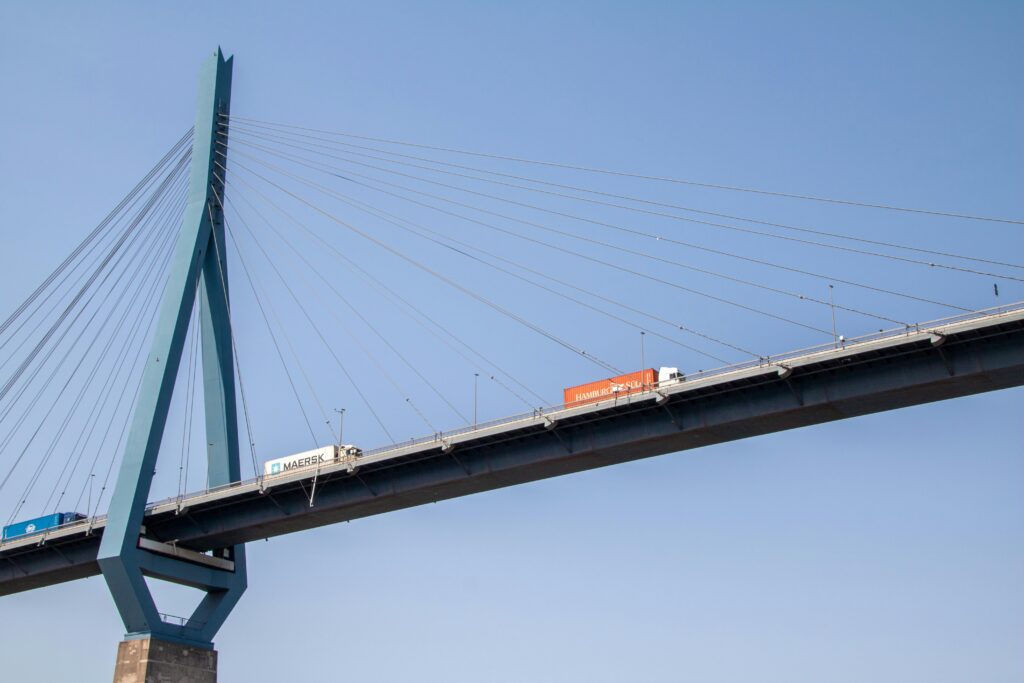
Trans-European Corridors
The cross-border logistics market in Spain is a rapidly growing sector valued at approximately EUR 15 billion, driven heavily by increasing e-commerce, which is projected to reach €72 billion. Spain acts as a strategic gateway for trade between Europe, Africa, and Latin America, with major logistics hubs located in Madrid, Barcelona, and Valencia
Spain stands out worldwide for its world-class network of air, land, rail and maritime infrastructures and the quality of its services. A structure that favours the development and growth of logistics and transport in the Spanish economy.
The transport sector represents 4.58% of Spain’s GDP. A figure that rises to 10% if we add the activities of a logistics nature carried out by industrial, commercial and service companies.
Spain has a privileged position in Southern Europe where the main goods traffic routes converge. The eastward enlargement of the European Union (EU) favors Spain’s strategic position with regard to trade flows and the centers of redistribution of foreign trade in the EU and the rest of the world.
Connectivity that promotes the development of the Trans-European Transport Network (TEN-T) which in Spain includes two of the nine multimodal European corridors considered a priority by the European Union: the Atlantic Corridor and the Mediterranean Corridor. Main arteries where the key flows of goods and people are concentrated.
Key Aspects of Cross-Border Distribution in Spain
Logistics Hubs & Infrastructure: Major hubs are concentrated in Madrid, Barcelona, and Valencia due to their advanced transportation networks and strategic locations. The Mediterranean Corridor is a critical rail network connecting these ports to inland cities and the broader European network.
E-commerce and Growth: Over 30 million online shoppers in Spain drive demand for international products, with the sector growing at an annual rate of 20%. Over 92% of cross-border e-commerce is with other EU countries.
Key Logistics Players: The market is dominated by companies like DHL Supply Chain Iberia, SEUR, XPO Logistics, Kuehne + Nagel, DB Schenker, Geodis, DSV, FedEx Express, and UPS.
Delivery Trends: There is a high demand for fast delivery, with 60% of consumers prioritizing same-day or next-day service, driving investment in last-mile solutions.
Regulations and Investment: The Spanish government has implemented a “Logistics and Transport Strategy” with a €300 million budget (as of 2023) to streamline customs procedures, enhance digital infrastructure, and support multimodal transport.
International Connectivity: Spain has strong trade links with France, particularly through the Mediterranean Corridor, and is expanding its connections to other regions


Distribution channels
For international companies, securing partnerships with local distributors or achieving direct agreements with major supermarket chains is critical to gaining a foothold in the Spanish market
Distribution Trends:
Logistics Efficiency: Companies are focusing on “last mile” delivery to improve online shopping experiences with extensive Air Cargo facilities.
Regional Differences: Regional disparities in infrastructure can affect logistics efficiency, though Spain generally has a strong road network.
Sustainability: Growing demand for eco-friendly logistics and reduced packaging.
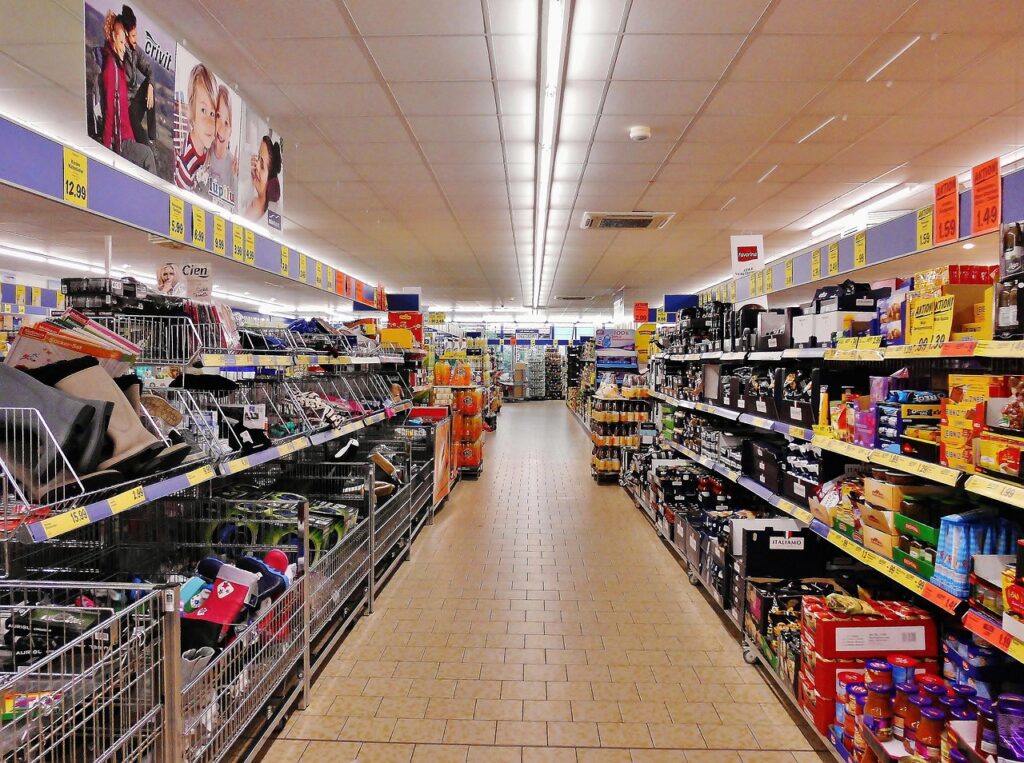
The distribution channels market in Spain is heavily dominated by large, organised retail chains and supermarkets, led by Mercadona (approx. 26.6% share) and Carrefour. While e-commerce is growing, over 95% of FMCG spending still occurs in physical stores. Key players include discount retailers like Lidl and Dia, alongside a strong, traditional “on-trade” (bars/restaurants) sector.
Key Aspects of the Spanish Distribution Landscape
Dominant Retailers: Grocery distribution is highly concentrated. Following Mercadona and Carrefour, other key players include Grupo Eroski, Auchan (Alcampo), Lidl, and Dia.
Discount Retailers: Lidl and Dia have experienced rapid growth, driven by consumer demand for affordable, high-quality products.
On-Trade vs. Off-Trade (Beverages): The beverage sector is divided between “on-trade” (bars, restaurants, cafes) and “off-trade” (supermarkets, specialty stores).
*Spain has one of the highest bars-per-capita ratios in Europe, making this channel essential.
Logistics & E-commerce: The market is increasingly adopting “last-mile” delivery and integrating online/offline, as seen by high-volume retailers creating their own digital distribution platforms.
Specialised and Traditional Channels: While large chains dominate, independent, traditional, and specialised shops still hold a significant role in fresh food and local products
Leading Regions:
Madrid, Barcelona, and Málaga continue to lead in attracting investment, while Valencia and Alicante are emerging as high-potential areas.
Madrid
Valencia
Malaga
Barcelona
Stay Connected with Us
Let’s Create Together
Connect with us to explore how we can make your vision a reality. Join us in shaping the future.